2026.08.06
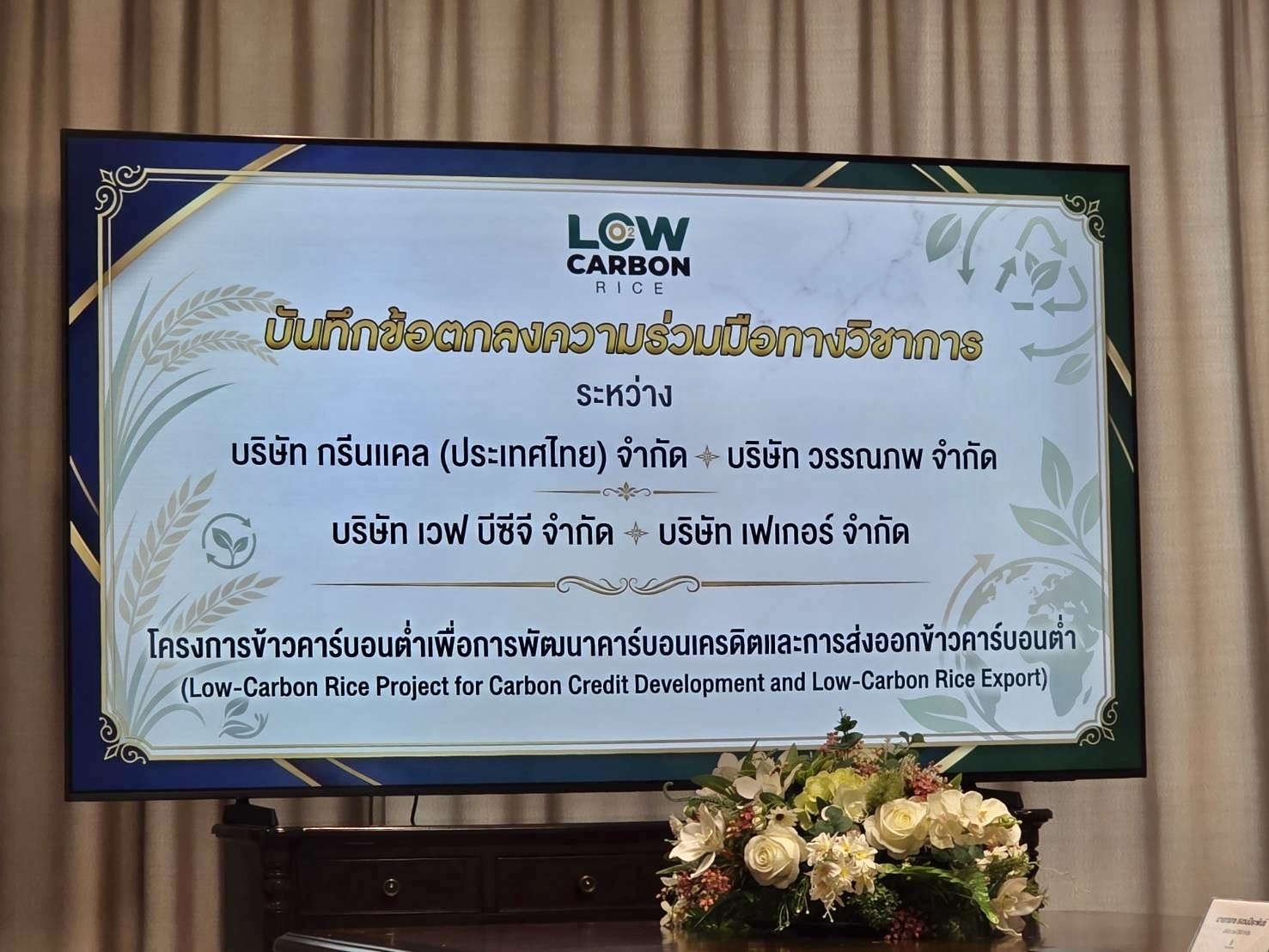
Faeger Signs MoU with Thailand's WAVE BCG, GreenCal, and Wonnapob on Low-Carbon Rice Project and Carbon Credit Development in Accordance with International Standards
~ Promoting Decarbonization in the Agricultural Sector to Expand Thai Low-Carbon Rice in the Japanese Market and Improve Farmers' Incomes ~
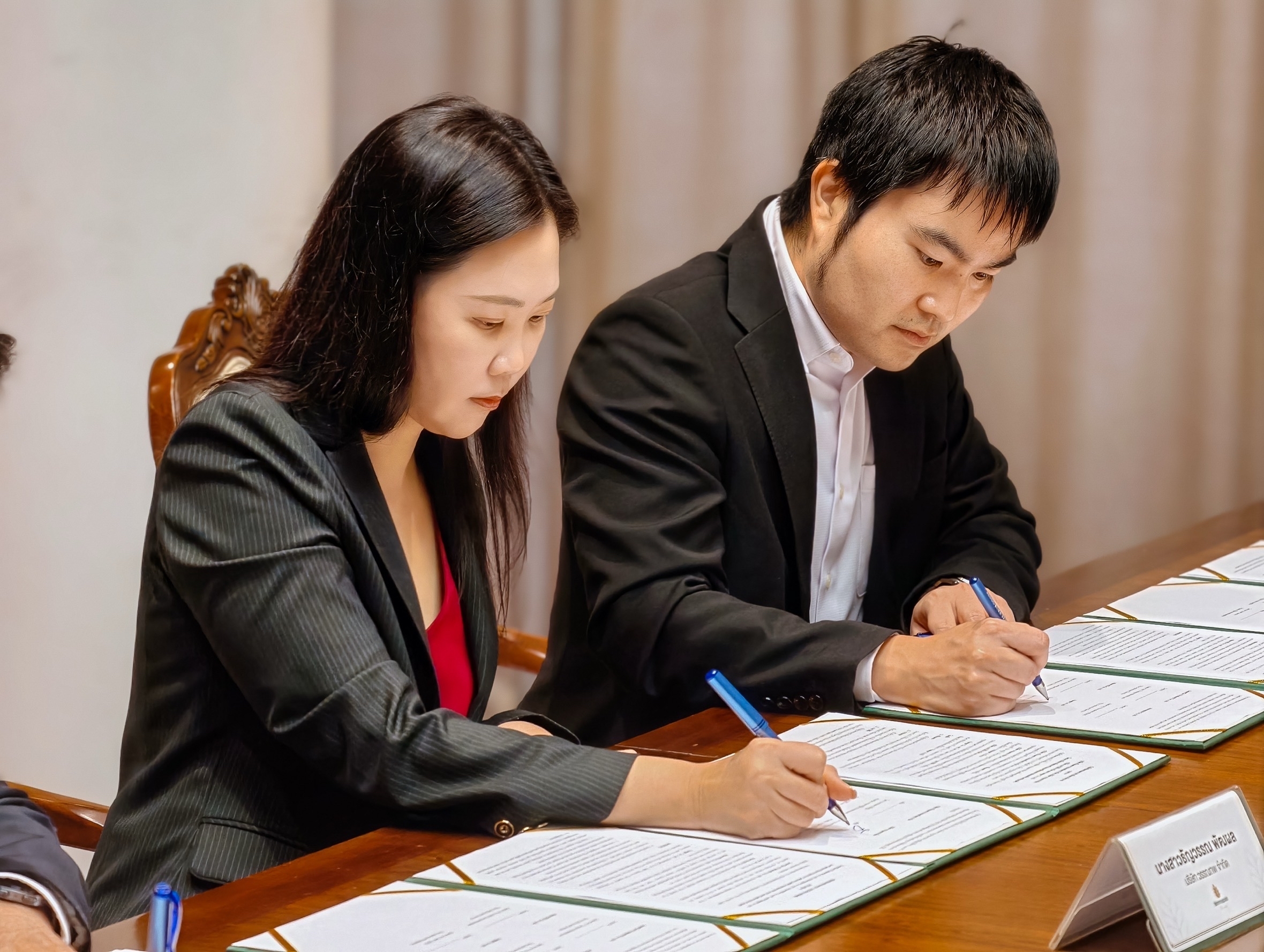
Faeger Co. Ltd. (Headquarters: Chiyoda-ku, Tokyo; Representative Director: Takahiro Ishizaki) announced that on July 21, 2026, it signed a Memorandum of Understanding (MoU) for the "Low-Carbon Rice Project for Carbon Credit Development and Low-Carbon Rice Export" with three Thai companies—GreenCal (Thailand) Co., Ltd., Wonnapob Co., Ltd., and WAVE BCG Co., Ltd.—at the Wonnapob Co., Ltd.'s headquarters in Nonthaburi, Thailand.
■ Background and Purpose of the Partnership
As achieving sustainable agriculture and combating climate change have become global challenges, there is a rapidly growing need for initiatives to reduce greenhouse gas (GHG) emissions in the agricultural sector.
This initiative is a public-private partnership closely aligned with the "Low-Carbon Rice Promotion Policy (including model projects in Suphan Buri Province)" spearheaded by Mr. Arnon Noncie, Director-General of the Rice Department (RD), in line with the policy direction of Minister Suriya Juangroongruangkit of the Thai Ministry of Agriculture and Cooperatives (MoAC). The project aims to promote the production of low-carbon rice in Thailand, develop high-quality carbon credits that meet international standards, and strengthen the competitiveness of Thai low-carbon rice in international markets, including Japan.
The partnership of these four companies connecting Thailand and Japan will build a sustainable agricultural ecosystem that comprehensively covers the promotion of agricultural technology and innovation, hands-on support for farmers, the development and management of carbon credits compliant with international standards, and access to international markets.
■ Establishing a Comprehensive Ecosystem Leveraging the Strengths of the Four Companies
Through the widespread adoption of Alternate Wetting and Drying (AWD) and the use of environmentally friendly soil amendments, this project aims to reduce GHG emissions in paddy rice cultivation while simultaneously increasing crop yields and improving farmers' skills.
The four companies linking Thailand and Japan will collaborate to build a sustainable agricultural ecosystem that encompasses the provision of agricultural technology and materials, digital monitoring, credit development, and the purchase and export of the rice.
■ Roles and Collaboration Details of the Four Companies
Faeger: Provides a digital MRV (Measurement, Reporting, and Verification) platform that centralizes the monitoring and data management of AWD. Brings expertise in carbon credit development based on international standards such as JCM and CORSIA, and handles the management and international market sales of the generated credits.
WAVE BCG: Conducts local farmer trainings, field surveys, and MRV execution in Thailand, as well as document preparation for GHG reduction and carbon credit development.
GreenCal: Supplies the silica-based soil amendment "GreenCalSi" and conducts farmer training. Responsible for joint research and monitoring of its effects on reducing chemical fertilizer usage and increasing yields.
Wonnapob: Purchases low-carbon rice that meets quality standards produced by participating farmers and exports and distributes it to international markets, including Japan.
■ Future Outlook
This project represents a significant milestone in strengthening collaboration between Japan and Thailand to accelerate greenhouse gas reduction in the agricultural sector. Through the production of low-carbon rice and the creation of carbon credits, it aims not only to contribute to the global environment but also to create additional income opportunities for farmers through returns from carbon credits and the export of high-value-added rice.
Faeger will continue to promote sustainable agriculture both domestically and internationally, contributing to food security and the realization of a decarbonized society where farmers and businesses can grow together.